Water plays a crucial role in daily life because it supports almost every function in the body. It helps regulate body temperature, aids digestion, transports nutrients, removes toxins, and keeps organs working properly. Staying properly hydrated also improves energy levels, concentration, and overall health. There are several types of water purification methods, and each one removes different impurities from drinking water.
From municipal supply to borewell water, each type may contain different impurities. That’s why understanding the types of water purification methods helps you choose the right solution for your home or workplace.
In this guide, we’ll explain the most common purification methods in a simple and practical way so you can make an informed decision.
Types of Water Purification Methods:
1. Reverse Osmosis (RO) Purification
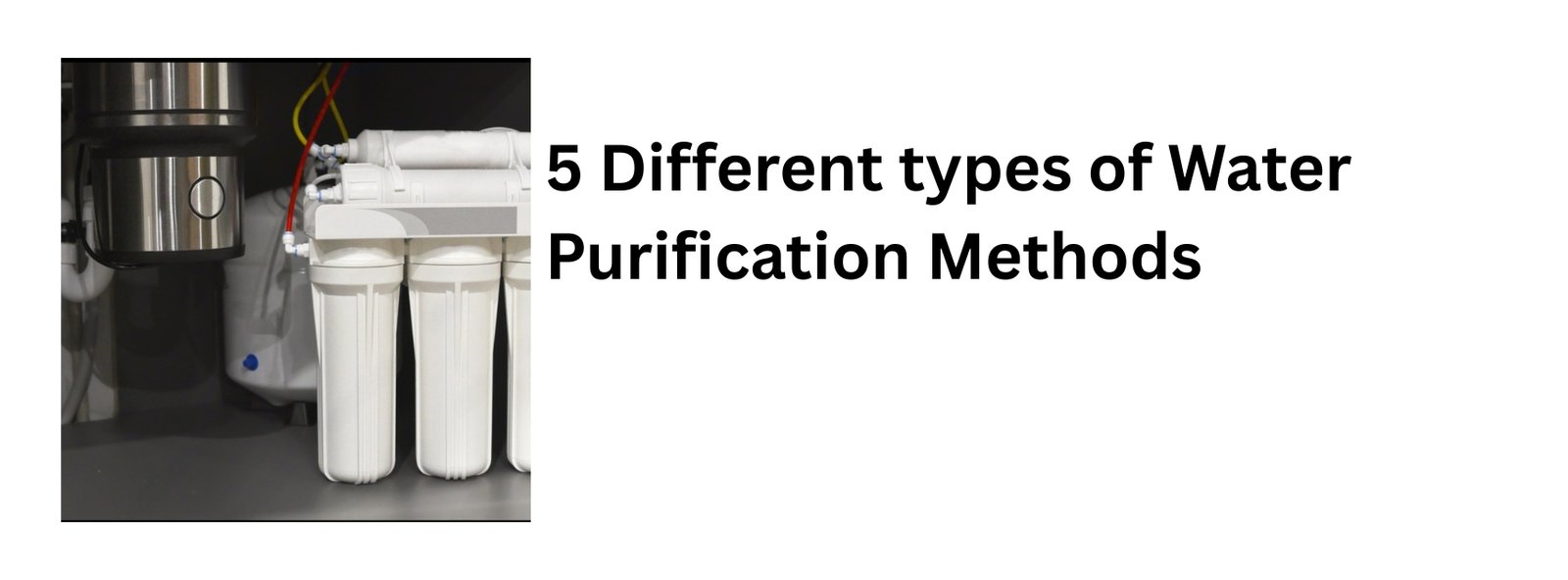
Reverse Osmosis (RO) is one of the most advanced and widely used water purification methods. It uses a semi-permeable membrane to remove dissolved salts, heavy metals, and harmful chemicals. It also removes some minerals and sends part of the water to the drain, so it suits high-TDS water best.
- Reduces dissolved impurities like lead, arsenic, and nitrates
- Improves taste and clarity
- Suitable for both home and commercial use
2. UV (Ultraviolet) Purification
UV water purification uses ultraviolet light to kills bacteria and viruses in clear water, but doesn’t remove dissolved salts or chemicals. The lamp usually needs replacing about once a year. Beneficial for low TDS-water with microbial impurities, which having some key benefits.
- Chemical-free disinfection
- Maintains natural taste of water
- Low maintenance
3. UF (Ultrafiltration)
Ultrafiltration (UF) uses a fine membrane to removes bacteria and suspended particles. It doesn’t remove dissolved salts. Some UF purifiers need no electricity, while others use a pump. Beneficial for areas contains low TDS-water and visible impurities, which having some key benefits:
- Retains essential minerals
- Simple and cost-effective
4. Boiling
Boiling is one of the oldest water purification methods. It helps kill bacteria and viruses by heating water at high temperatures. It doesn’t remove chemicals or TDS, and it can make dissolved salts more concentrated. Beneficial for emergency or temporary purification, also which having some key benefits:
- Easy and accessible
- Effective against microorganisms
However, boiling does not remove dissolved salts, heavy metals, or chemicals, making it a limited solution.
5. Activated Carbon Filtration
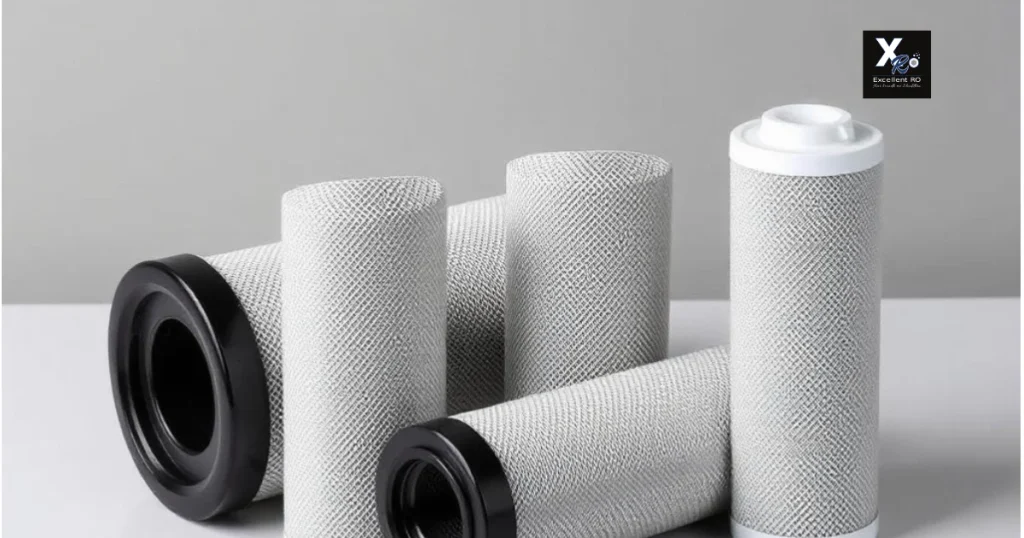
This method uses carbon filters to remove chlorine, bad odour, and organic compounds from water. It is commonly found in basic water filters. Beneficial for improving taste and smell, also having some key benefits:
- Removes chlorine and odour
- Enhances water taste
Carbon filtration is usually combined with other technologies for better results.
Choosing the Right Water Purification Method
The best purification method depends on your water quality:
- High TDS water: RO purification is recommended
- Low TDS with bacteria: UV or UF can work
- Mixed contamination: A combination of RO+UV is a common choice for high-TDS water that may also carry germs.l
Understanding your water source is the first step toward choosing the right system.
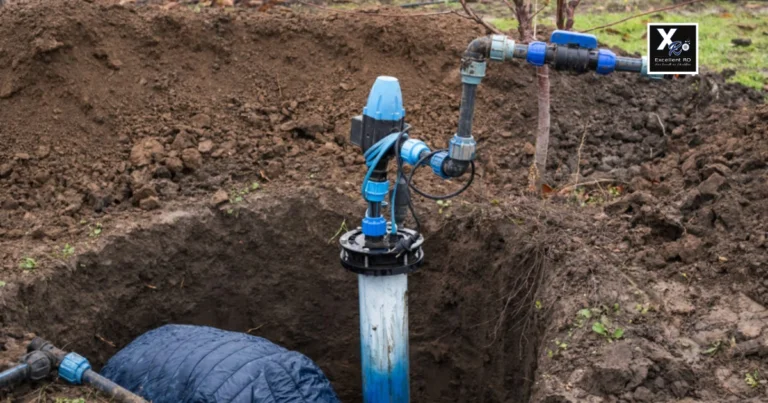
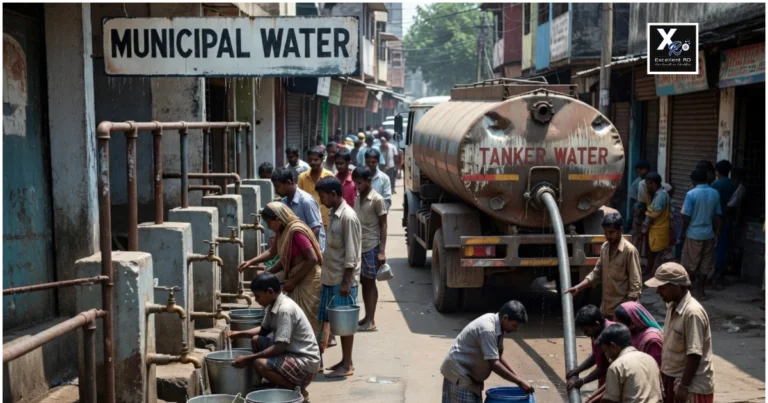
Not sure which method you need? In Faridabad it depends on your water. Municipal supply is usually lower in TDS, where UV or UF may be enough. Borewell and tanker water is often high in TDS, where RO or RO+UV is the safer choice. Start with a free home TDS test, then compare RO, RO+UV and UV models for your home. You can also rent an RO in Faridabad with servicing included.
Conclusion
There is no one-size-fits-all solution when it comes to water purification. Each method—RO, UV, UF, boiling, and carbon filtration—serves a specific purpose. The key is to match the method with your water quality.
For most households dealing with mixed impurities, a multi-stage purification system offers a practical and reliable solution. By understanding these methods, you can helps that your drinking water is not only clean but also suitable for everyday consumption.
Safe water starts with the right knowledge—and the right choice.
Pingback: Water Purifiers Under 20000: Top 5 RO Picks | Excellent RO
Pingback: Dental Health and Water Quality: The Connection
Pingback: RO Water vs Packaged Bottled Water: Which Is Best?
Pingback: Water Filters Myths: 7 Things People Get Wrong
Pingback: Every Family Needs an RO Water Purifier? The Facts
Pingback: Excellent RO Purifiers vs Ordinary Ones: Key Differences
Pingback: Understanding TDS in Water – Safe Levels Explained | Excellent RO Purifier