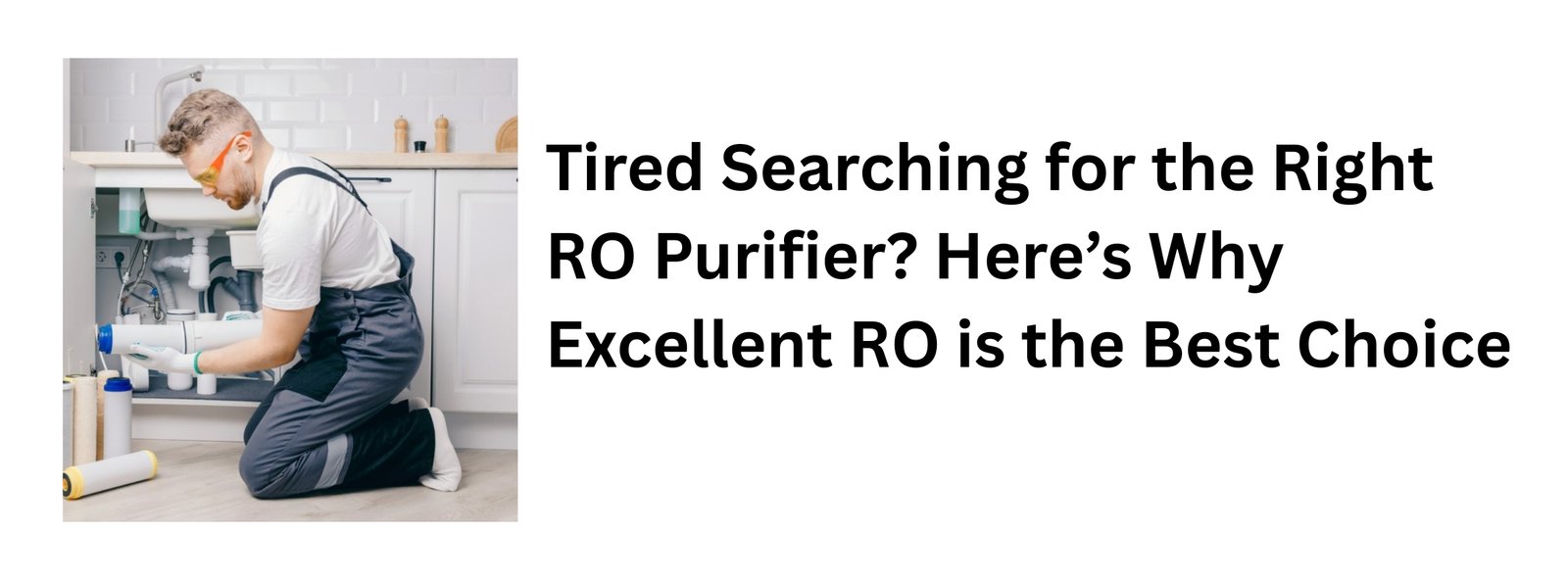
How to Choose the Right RO Purifier?
It is not so easy to find the best water purifier in India. Due to the various brands and models available in the market, the Indian consumer often gets confused- Should he go for the UV, UF, or RO purifier? Is RO water good for daily consumption? And more importantly, does the purifier retain harmful TDS, organic contaminants, and heavy metals while allowing essential minerals to remain?
At Excellent RO Purifier, we answer these questions with technology, trust, and transparency.
The Real Problem with Drinking Water in India
India faces multiple water challenges—high TDS levels, contamination from industrial waste, pesticides, and heavy metals, and poor infrastructure for clean supply. Boiling or basic UV filters cannot remove dissolved salts, arsenic, or lead, which are common in both borewell and municipal water.
This is where a multi-stage RO water purifier becomes essential.
Why Choose Excellent RO Purifier?
Here are the reasons why thousands of families trust us:
- Advanced Multi-Stage Filtration – Destroy bacteria, viruses, pesticides, chlorine, and heavy metals.
- High TDS Handling – Works beneficially even with water having up to 5000 ppm TDS.
- Mineral Retention Technology – Purifies water but ensures essential minerals stay intact.
- Affordable Plans – Easy purchase and rental options starting from ₹300/month.
- Strong Service Network – Quick installation, annual maintenance, and doorstep support.
RO vs UV vs UF: Which One Suits Your Water?
| RO | UV | UF | |
| What it does | Pushes water through a fine membrane that reduces dissolved salts, heavy metals and many chemicals | Uses ultraviolet light to kill bacteria and viruses | Uses a membrane with larger pores to filter out dirt, cysts and some bacteria |
| Removes dissolved salts (TDS)? | Yes | No | No |
| Kills germs? | Reduces most, and is usually paired with UV or UF for extra safety | Yes, this is its main job | Partly, since it filters rather than kills |
| Works on high-TDS borewell water? | Yes, this is where it works best | No | No |
| Needs electricity? | Yes | Yes | No |
| Wastes water? | Yes, it produces reject water, which you can reuse for cleaning | No | No |
| Taste | Clean and light, but can be flat if minerals are over-removed | Unchanged | Unchanged |
| Best for | Borewell, tanker or any water with TDS above about 500 | Municipal water that is clear and low in TDS | Municipal water with low TDS and no power backup |
| Common combination | RO+UV or RO+UV+UF, the usual choice for Faridabad homes | UV+UF | UF alone, or with carbon |
| Upkeep | Filters and membrane need regular servicing | Lamp needs replacing about once a year | Pre-filters need periodic cleaning |
Is RO Water Safe to Drink?
Yes, absolutely! The myth that RO water is “too pure” is not all true. With Excellent RO Purifier, the water is not only purified but also mineral-balanced, making it safe, refreshing, and healthy for all age groups.
FAQs
1. How do I know which RO purifier is right for my home?
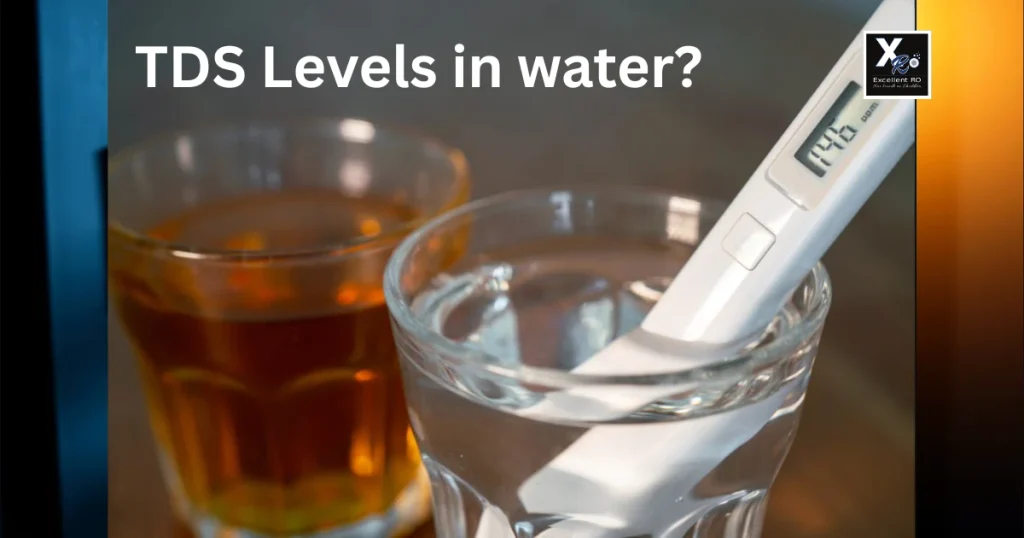
Start with your water TDS. High-TDS borewell water usually needs RO or RO+UV. Low-TDS municipal water may only need UV or UF.
2. Is it better to rent or buy an RO purifier?
Renting suits tenants and short stays, with no upfront cost and servicing included. Buying costs more upfront and works out cheaper over a long period.
3. Does an RO purifier remove all minerals?
RO reduces minerals along with salts. Purifiers with a TDS controller or mineral cartridge keep some of them.
4. How often should I service my RO purifier?
Most households service it every 3 to 6 months. Follow your technician’s schedule.
5. Can I get a free TDS test in Faridabad?
Yes, Excellent RO offers a free home TDS test across Faridabad.
Final Summary
Your family’s health depends on the quality of water you drink every day. Instead of risking your well-being with unsafe water, choose Excellent RO Purifier—a brand trusted for purity, safety, and affordability.
Because when it comes to water, nothing less than Excellent will do.