Clean drinking water is a basic necessity, yet there is a lot of confusion around water filters and purifiers. Over the years, half-truths, outdated advice, and marketing noise have created several myths that prevent people from making informed decisions.
This article clears up the most common water filter myths in a simple, factual way — helping you understand how water purification actually works and what really matters for safe drinking water.
Myth 1: Clear Water Is Always Safe to Drink
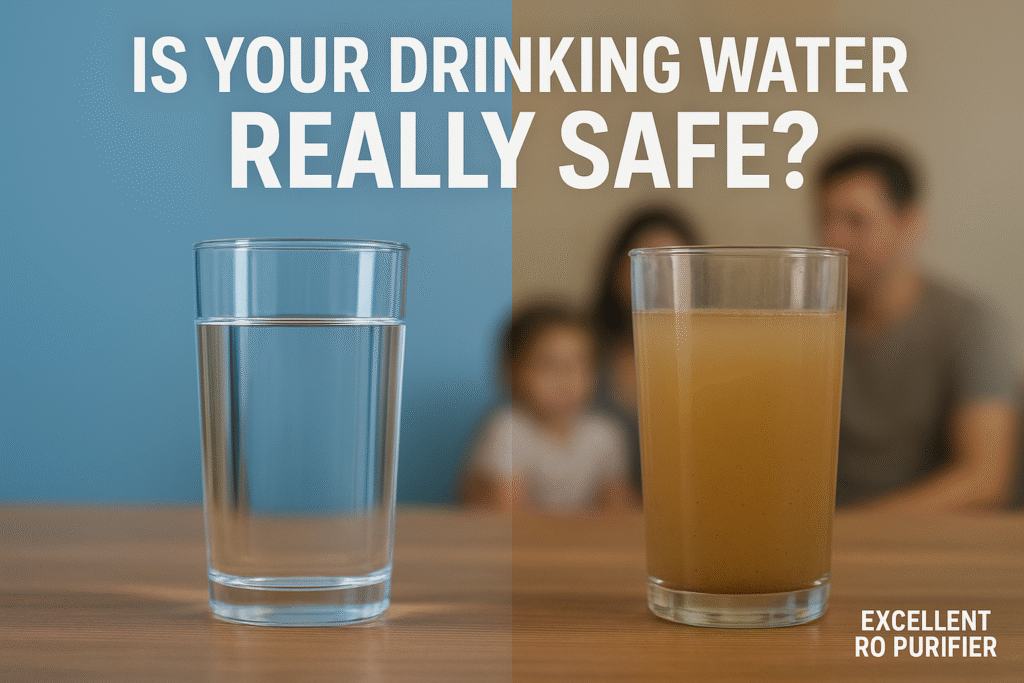
One of the most common misconceptions is that if water looks clear, it must be safe. In reality, many harmful contaminants are invisible to the naked eye.
Dissolved salts, heavy metals, pesticides, fluoride, nitrates, and microorganisms cannot be seen, smelled, or tasted. This is why water from borewells or tankers may appear clean but still be unsafe over time.
Water filters are designed to address what you cannot see, not just visible dirt.
Myth 2: Boiling Water Removes All Impurities
Boiling water is effective against bacteria and viruses, but it does not remove dissolved impurities such as heavy metals, excess TDS, or chemical contaminants.
In some cases, boiling can even increase concentration of dissolved salts as water evaporates. This makes boiling an incomplete solution for areas with hard or high-TDS water.
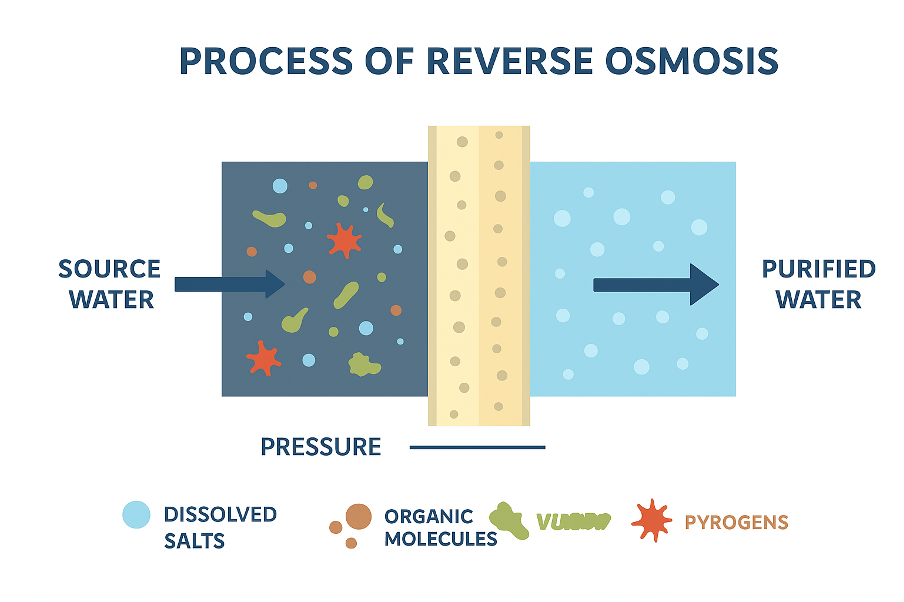
Modern purification systems like RO and UF are designed to handle these challenges more effectively.
Myth 3: RO Water Is Completely Demineralized and Unhealthy
Many people believe RO water removes all minerals and becomes unhealthy. This belief is outdated.
Today’s advanced RO water purifiers are designed with mineral balancing or retention stages, which help maintain essential minerals like calcium and magnesium within safe limits. The quality of RO water depends on system design, not the technology alone. Properly designed RO systems provide water that is both pure and suitable for daily consumption
Myth 4: One Water Filter Works for Every Home
There is no “one-size-fits-all” water purifier. The right filter depends on:
- Water source (borewell, tanker, municipal supply)
- TDS level
- Presence of chemicals or metals
- Daily water consumption
For example, UV water purifiers work well for low-TDS municipal water, while RO systems are better suited for high-TDS or mixed water sources. Understanding your local water quality is more important than blindly choosing a product.
Myth 5: Water Filters Don’t Need Regular Maintenance
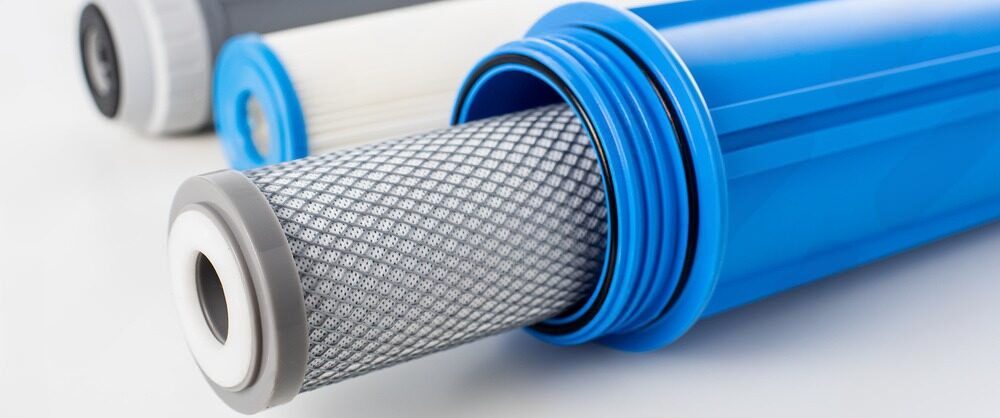
A water purifier is not a “fit and forget” appliance. Filters and membranes work continuously and need periodic replacement to perform effectively.
Ignoring maintenance can reduce purification efficiency and water taste. Regular servicing ensures:
- Consistent water quality
- Longer system life
- Optimal filtration performance
Maintenance is part of responsible water purification, not a drawback.
Myth 6: Expensive Water Purifiers Are Always Better
Price alone does not determine water quality. A well-matched, properly maintained purifier often performs better than an expensive system that is unsuitable for the water source.
What matters more is:
- Appropriate purification technology
- Build quality
- Availability of service and spare parts
- Efficiency and water recovery
Affordable and rental options can be equally effective when chosen correctly.
Myth 7: Water Purifiers Waste Too Much Water
Older RO systems did waste more water, but modern designs are significantly more efficient. Many systems now include water-saving technology and recovery improvements.
Additionally, reject water can often be reused for cleaning or gardening. Responsible usage and improved design have reduced unnecessary wastage considerably.
The Real Truth About Water Filters
Water purification is not about fear — it’s about understanding your water and choosing the right solution. Each home, office, or commercial space has different requirements.
A well-selected water purifier improves water quality, taste, and consistency while supporting long-term health. Whether it’s a home RO water purifier, UV system, or commercial RO, the goal remains the same: safe, reliable drinking water.
Final Thoughts
Most water filter myths come from incomplete information or outdated assumptions. Instead of relying on hearsay, it’s important to understand how water purification technologies work and how they apply to your local water conditions.
Making an informed choice — based on facts, water testing, and proper maintenance — leads to better outcomes than following myths. Clean water is not about trends or fear; it’s about clarity, balance, and responsible purification.
Related Articles