Signs That Your Drinking Water Is Unsafe – A Complete Guide for Every Home
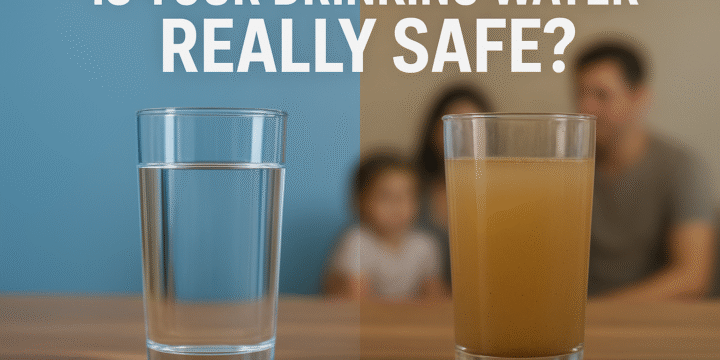
Clean and safe drinking water is requirement for daily health and hygiene. However, in many regions, households dependent on water sources that may contain imbalanced Total Dissolved Solids (TDS), residual chlorine, sediments, or other impurities. One important point to understand is that water does not always look contaminated. Even clear looking water can sometimes contain elements that affect quality over time. This guide explains common signs that may indicate drinking water quality issues, how they can influence everyday wellbeing, and why many households consider water purification solutions based on their local water conditions. 1. Unusual Smell in Drinking Water A noticeable or unpleasant odor can sometimes indicate changes in water quality. Common smells include: Sulfur or rotten-egg smell: May be linked to hydrogen sulfide in certain water sources Chlorine-like odor:…